Central Heat Recovery Ventilation Units
In modern construction, where the emphasis on energy efficiency and indoor environment quality is constantly growing, central heat recovery units play a key role. These systems are an integral part of controlled ventilation and represent an intelligent solution for ensuring fresh air without unnecessary heat loss.
What is a central heat recovery unit?
Central heat recovery unit is a device that enables controlled ventilation of the entire building using heat recovery – i.e. the recovery of thermal energy from exhaust (waste) air. This principle ensures that fresh air is supplied to the building preheated, which significantly reduces the need for heating. The unit is usually located in a utility room, attic, basement, or in a specially designed shaft.
#ShowMore#
Using the ventilation ducts system, fresh air is distributed to living areas (bedrooms, living rooms, studies) and simultaneously removed from rooms with increased humidity and pollution (bathrooms, toilets, kitchens, utility rooms). The entire process is automatic, quiet, and does not require opening windows.
Main features and technology
- Heat recovery - The heart of the system is a heat exchanger (usually plate or rotary) that transfers heat from the exhaust air to the fresh supply air. Modern exchangers achieve efficiency of up to 95%, which means a significant reduction in heat loss caused by ventilation.
- Air filtration - Air coming in from outside is filtered (pollen, dust, insects) and, if needed, you can choose finer filters (e.g. F7), which are good for people with allergies. The exhaust air is also filtered, which protects the exchanger and the entire system. font-size: 12pt;">
- Automatic operation control - Advanced units are equipped with CO₂, humidity or VOC sensors that can regulate performance according to current needs. Control is via a touch panel, mobile app or connection to a smart home system.
Advantages of central heat recovery:
- Energy savings – significantly reduces heat loss and heating costs
- Constant supply of fresh air without the need for window ventilation
- Healthier environment – lower CO₂ concentrations, less dust and allergens
- Moisture removal – prevents mold growth
- Quiet and comfortable operation
Types of heat recovery unit exchangers:
- Plate counterflow exchanger - Air flows in two separate channels – one supplies fresh air, the other removes waste air. These flows do not meet each other, but heat is exchanged through the wall between them.
- Enthalpy exchanger - Similar to a counterflow exchanger, but made of a special membrane that allows the transfer of moisture and heat. There is no direct contact between the air streams, but moisture is partially captured and transferred. - A rotating metal or plastic cylinder (rotor) alternately passes through warm and cold air streams, transferring heat and moisture.
- Cross-flow heat exchanger - The air flows in perpendicular directions – the inlet and outlet streams cross each other, rather than flowing parallel as in a counterflow heat exchanger.
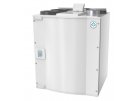
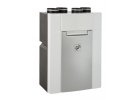
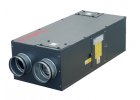
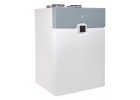



Product sorting
List of products

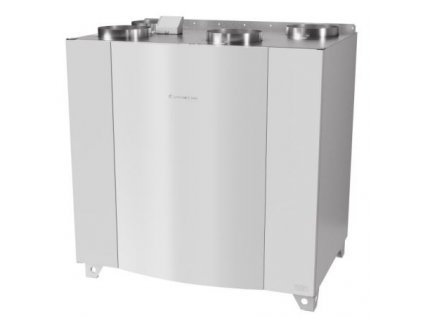


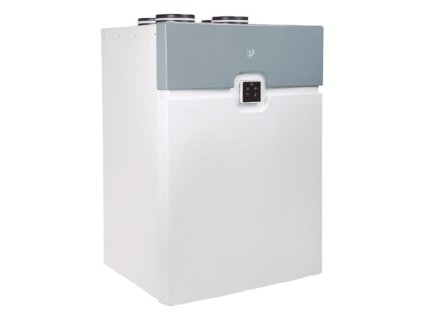

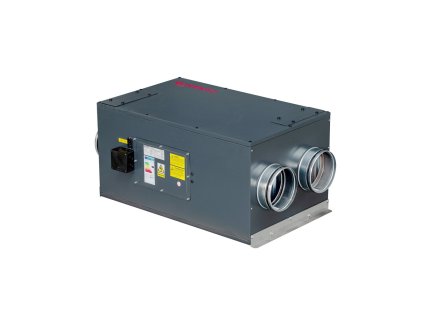
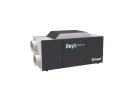
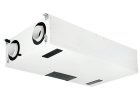
Soler & Palau - ROVENTO 520 DI-H-L evo
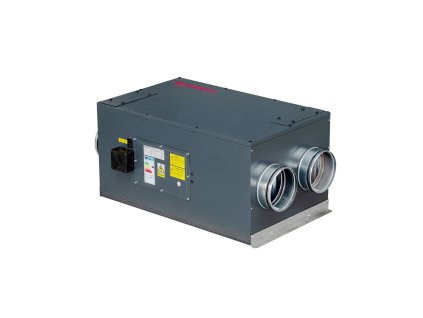
Soler & Palau - ROVENTO 520 DI-H-P evo
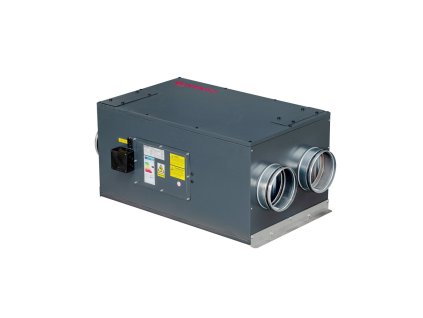
Soler & Palau - ROVENTO 520 DI-P-L evo
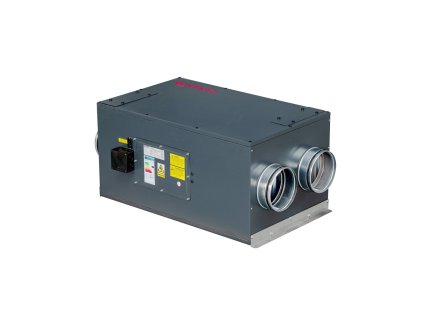
Soler & Palau - ROVENTO 520 DI-P-P evo
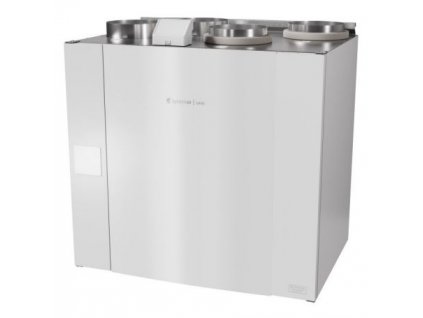
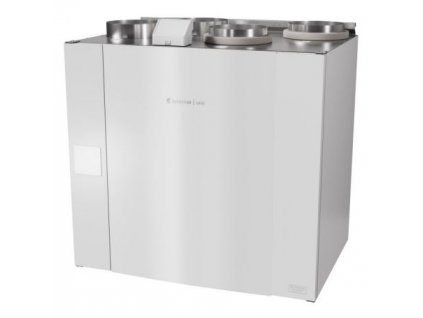
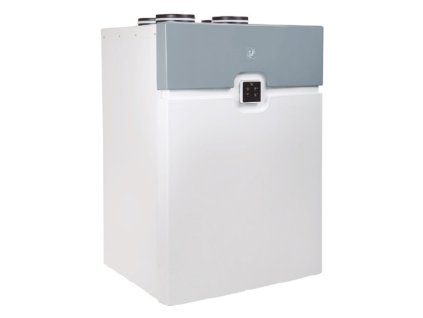
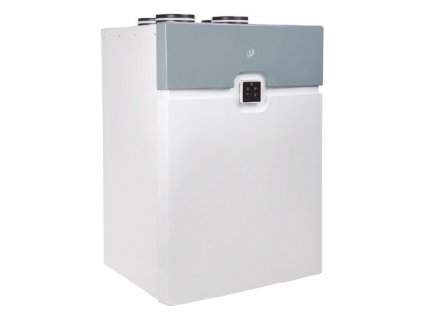
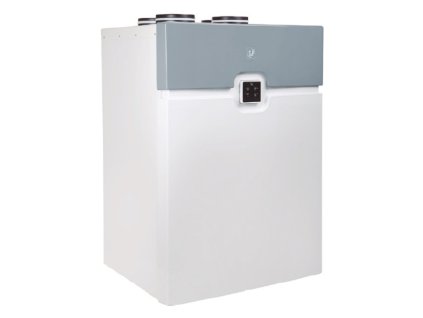

Soler & Palau - ROVENTO 320 DI-H-L evo

Soler & Palau - ROVENTO 320 DI-H-P evo

Soler & Palau - ROVENTO 320 DI-P-L evo

Soler & Palau - ROVENTO 320 DI-P-P evo
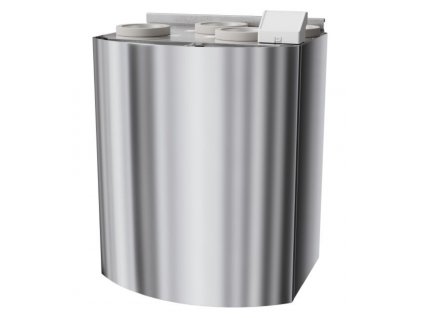
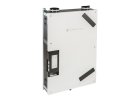
Systemair SAVE VTR 150/K L 500W nerez
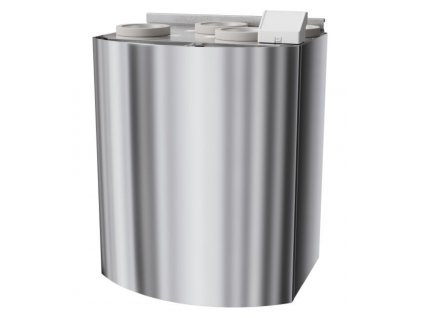
Systemair SAVE VTR 150/K L 1000W nerez
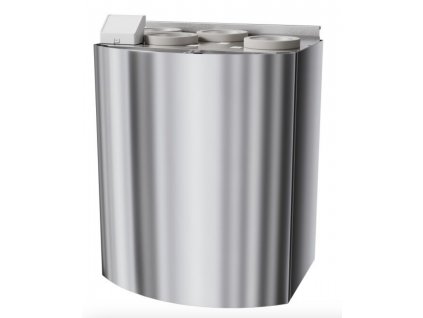
Systemair SAVE VTR 150/K-R 1000W nerez
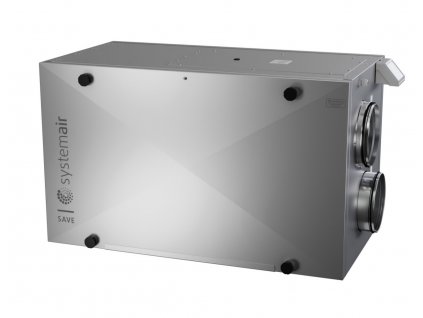
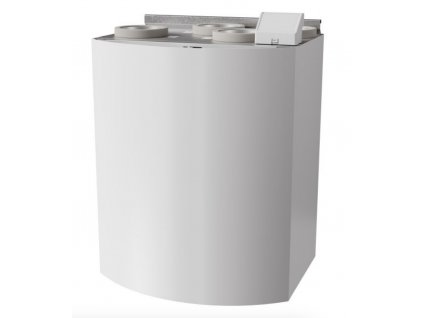
Systemair SAVE VTR 150/K L 500W bílá